(Why Clutter-Free Routines and Quality Time Matter More Than You Think)
So many moms wonder if they’re doing enough. The truth? You don’t need to do more—you need room to be. When your home feels calmer and your routines lighter, you naturally show up in ways that matter most to your kids. And the best part? You can start making that shift today, feeling the relief that comes from simplifying your life.
When Clutter Steals Connection
(Why Disorganization Makes It Harder to Be Present)
But here’s the thing: clutter doesn’t just take up space on your counters or in your closets—it steals your focus and energy too.
You’ve probably experienced this before: You walk in the door and are immediately greeted by backpacks on the floor, laundry you forgot to switch, and a pile of mystery papers on the kitchen counter. You meant to play with your toddler or ask your older child about their day—but instead, you’re putting out fires.
When our physical space is cluttered, our mental space feels cluttered too. And when our minds are cluttered, it’s hard to be emotionally present for our kids. We may be in the same room, but not truly with them.
Many moms I coach through the OYH method share this frustration: “I want to be more patient, more engaged… but I’m overwhelmed.” That’s not a character flaw—it’s a systems issue.
Create Space for Connection
(Simple Steps to Be More Present Without Adding More to Your Plate)
The good news is, you don’t have to chase perfection to reclaim your presence. With a few simple systems, you can create more breathing room in your day and more connection with your kids.
Here’s how:
Designate Connection Zones
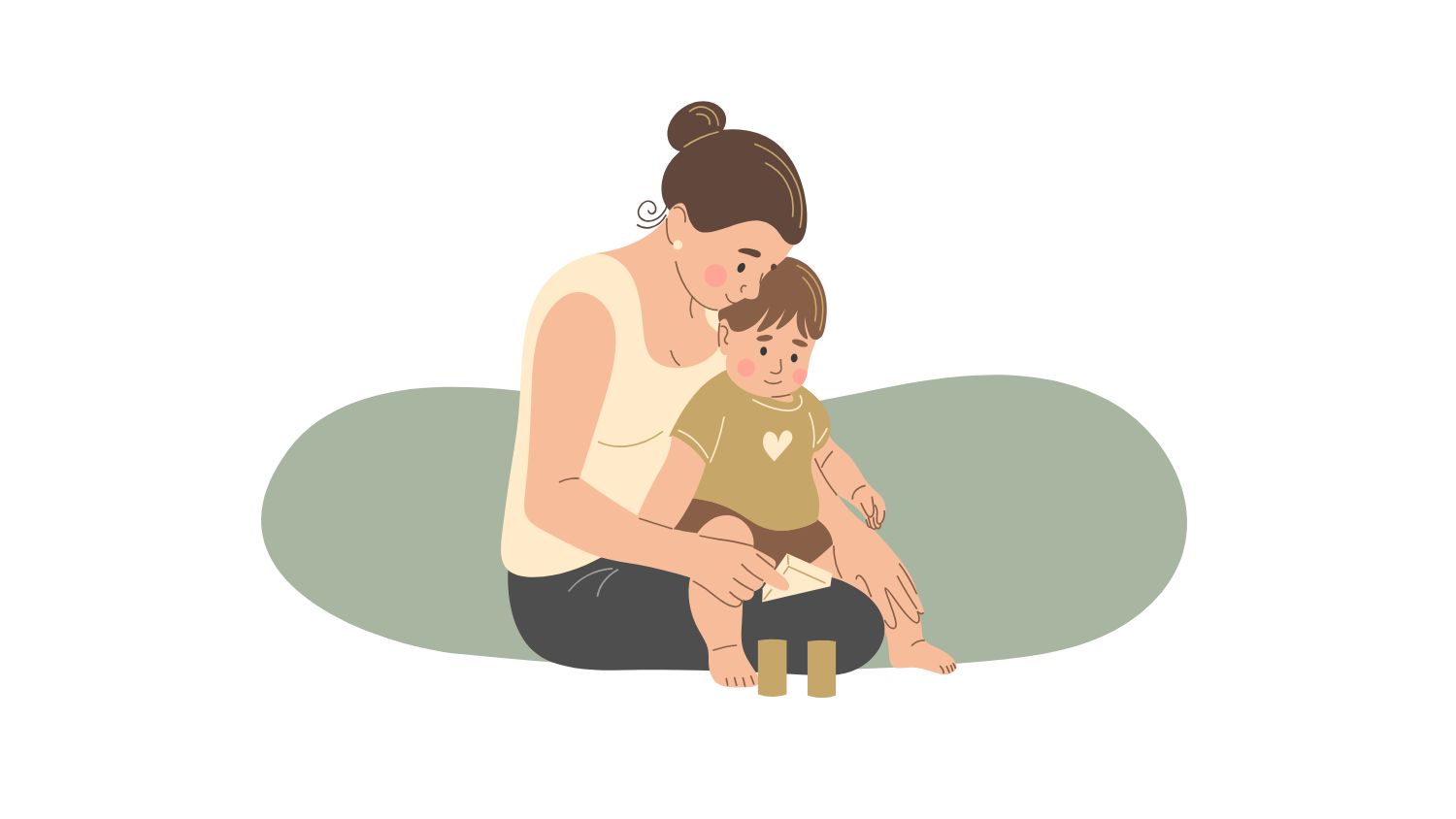
Create one area in your home where connection can happen daily. Maybe it’s a clear table for afternoon snacks and chats, a cozy reading nook, or a decluttered play corner where you can sit and watch your little one build. These spaces invite presence.
Use Visual Systems That Work for Kids
Set up a backpack hook, a shoe basket, and a school paper bin near the entry. When everything has a home, you spend less time hunting and more time connecting.
Try “One-Touch” Evenings
At the end of the day, spend just 10 minutes resetting a few key zones. Put on music and invite the kids to help—it turns tidying into a mini connection ritual and sets you up for smoother mornings.
Use the “Magic Basket” Trick
Throw all the little out-of-place things into one basket at night, and sort in the morning. This trick frees your mind from the clutter, helps you sleep better, and keeps the chaos contained. For example, you can use a large basket or a designated drawer for this purpose. The key is to have a designated spot for miscellaneous items that need to be put away later.
Science Backs the Power of Being Present
(How Your Daily Interactions Shape Your Child’s Brain and Emotions)
And it’s not just about feeling lighter at home—science shows us that these small shifts can make a big difference in your child’s emotional well-being.
A study published in Nature explored how a mother’s engagement with her baby during playtime can actually change the way her child’s genes express themselves. Yes, really.
The research found that consistent, loving, and playful engagement from moms led to positive changes in the child’s oxytocin receptor gene—the gene that helps regulate social bonding and emotional responses. These children were more emotionally balanced and less temperamental one year later.
So what does this mean for us? It means those five minutes of focused play do matter. It means choosing to sit and talk over dinner instead of cleaning the baseboards (again) does make a difference. You’re building more than memories—you’re helping shape emotional resilience.
What Moms Often Get Wrong (And How to Shift It)
(It’s Not About Doing It All—It’s About Doing What Matters Most)
Still, many moms carry the belief that they have to do it all to be a good mom. The truth is much simpler—and so much more freeing.
Here are a few misconceptions I see all the time:
“I need to be more productive to be a better mom.”
Instead, try: I need more space to be more present.
“If I had more hours, I could connect more.”
Instead, try: If I simplify what fills my hours, I’ll have more moments that count.
“I can’t be organized and relaxed.”
Instead, try: A good system brings peace, not pressure.
Let go of perfection. Embrace progress over performance. You’re already doing more than enough—and the OYH method is here to help make it sustainable, validating and appreciating the efforts you’re already putting in as a mother.
Ready to Take Action?
Now that you know presence matters more than productivity, let’s talk about some easy steps you can take to put this into practice.
- Grab a copy of my Organize Yourself Healthy book
- Join the OYH Club Membership—where moms like you get monthly support, tools, and community
- Try one new system this week (like a drop zone or connection zone) and notice how it shifts your energy
You’re Already Enough—Let’s Clear the Way to Feel It
At the end of the day, being a great mom isn’t about doing more—it’s about creating space to show up in ways that matter most. When your home feels lighter and your routines simpler, you naturally have more room for connection, laughter, and presence. Remember, your kids don’t need a perfect mom—they need you. And by clearing just a little space each day, you’re giving them exactly that.
I’d love to hear how you’re making more room for presence at home. Leave a comment or share your favorite quick connection tip below! Your experiences and tips can inspire and support other moms on their journey to a clutter-free, present-filled home.

Want more support like this?
Join my monthly newsletter where I share encouragement, organizing tips, and real-life stories based on the Organize Yourself Healthy method to declutter homes and take better care of yourself. It’s all about creating systems that support your lifestyle—so you can feel calmer, more in control, and healthier in every way.
Leave a Reply